
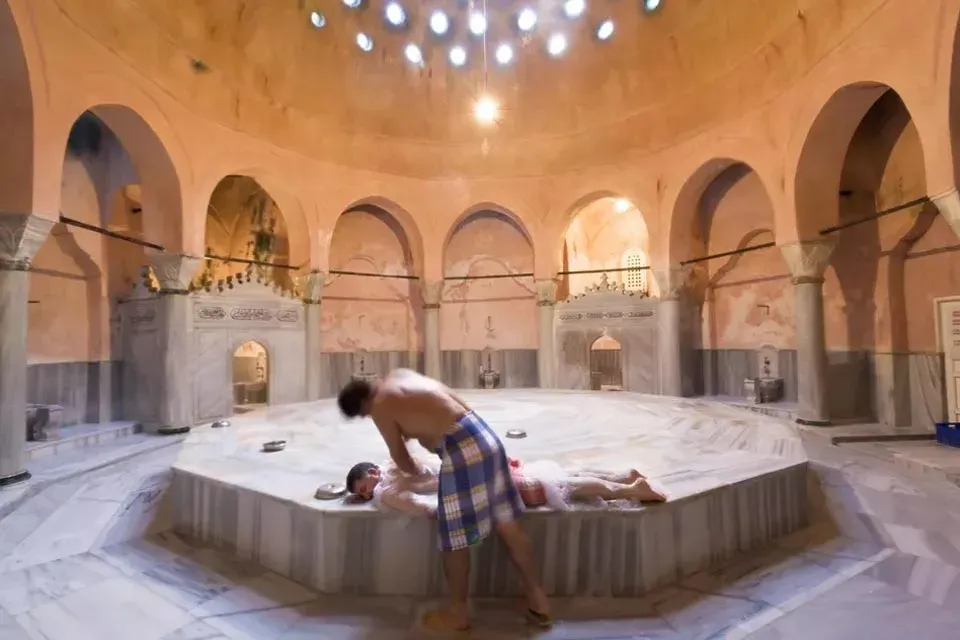
A Turkish bath invites you into a time-honored ritual of warmth, steam, and social connection. This immersive experience blends relaxation, cleansing, and cultural heritage in a single, sensory journey. For curious travelers, the term hammam is synonymous with a spa-like setting where Turkish bath history comes alive through architecture, marble, and steam. The guide below highlights how a Turkish bath works, outlining the traditional hammam process and offering modern hammam experiences from around the world. From hammam etiquette tips to the expectations of cleansing rituals, this overview prepares you to enjoy this timeless practice with respect.
Viewed through a different lens, this centuries-old steam room tradition unfolds as a public bathhouse ritual rather than a single spa service. In many regions it is known as a hammam or Turkish spa, centering on warm rooms, exfoliation, and the signature foam massage. LSI-inspired terms such as steam bath, bathhouse culture, and ritual cleansing capture related concepts and help you navigate the environment. Whether you seek a modern hammam experience with contemporary amenities or a traditional cleansing ceremony, understanding these semantic cues supports a respectful and enjoyable visit.
What is a Turkish bath? Origins, rituals, and benefits
A Turkish bath is more than a spa treatment; it is a ceremonial practice that blends heat, steady steam, and cleansing into a single, immersive experience. Understanding how a Turkish bath works reveals a stepwise process designed to warm the body, open the pores, and prepare the skin for cleansing while promoting relaxation and mental calm.
The setting—marble slabs, domed ceilings, and tranquil lighting—frames a sequence that supports mindfulness and renewal. This combination of architecture and ritual shapes a holistic wellness moment where physical renewal and social ease intersect, inviting guests to linger in the moment and connect with tradition.
Turkish bath history: Tracing ancient roots to modern hammam culture
The Turkish bath history spans from ancient Roman thermae and Byzantine baths through the Ottoman era, where bathhouses became architectural masterpieces and social hubs. This lineage explains why hammam spaces balance public function with intimate ritual, embedding cleanliness, therapy, and community into daily life.
As cities blossomed under Ottoman influence, bathhouses evolved into monuments of design and culture, with unique regional flavors still traceable in the choreography of heat, soap, and massage. Understanding this history illuminates how the hammam experience became a benchmark for public bathing, etiquette, and the social rituals that accompany cleansing and renewal.
Hammam process and the steps: from warmth to cleansing rituals
The hammam process typically begins in a hot room to raise core temperature, followed by progressively cooler spaces that encourage gradual cooling and relaxation. This sequence supports effective cleansing, assists in circulation, and primes the skin for exfoliation and foam massage.
Cleansing rituals often feature a kese exfoliation mitt and sumptuous soap foams, sometimes performed by a trained attendant. While regional variations exist, the core aim remains the same: a structured, respectful progression of heat, moisture, and tactile cleansing that leaves the body renewed and the mind calm.
How a Turkish bath works: mechanics, ritual, and body benefits
Physiologically, the steam and heat of the Turkish bath work to improve circulation, ease muscle tension, and promote sweating, which supports deep cleansing and relaxation. The experience is not merely about cleanliness; it is about triggering a mindful, restorative response in the body.
Architectural elements—domed ceilings that circulate steam, heated hararet rooms, and stone or marble slabs—combine with a deliberate pace to create a sanctuary for body and mind. This synergy helps explain why many visitors leave feeling physically lighter and mentally steadier, with a renewed sense of well-being.
Modern hammam experiences: global variations and etiquette
Today, modern hammam experiences appear in hotels, wellness clubs, and boutique spas worldwide, adapting traditional practices to contemporary settings without losing their essence. These modern hammam experiences preserve the ritual’s core steps while offering curated atmospheres, aromatics, and services to suit diverse travelers.
In every setting, hammam etiquette remains important—respect for privacy, appropriate attire, and courteous interaction with attendants shape a comfortable, culturally informed visit. Observing etiquette and embracing the ritual’s pace allows guests to honor the tradition while enjoying a luxurious, globally accessible spa experience.
Frequently Asked Questions
How does a Turkish bath work, and what makes the hammam experience unique?
A Turkish bath, or hammam, is a ritual of warmth, steam, cleansing, and relaxation. In a typical sequence you move from a warm room to a hot room (hararet), then to a warm area, followed by cleansing with water, exfoliation with a kese mitt, a foam massage, and a final rinse. The experience promotes circulation, exfoliates the skin, and soothes muscles, all within a tranquil, marble‑lined space.
What is Turkish bath history and how did the hammam evolve into a cultural institution?
Turkish bath history traces from Roman Thermae and Byzantine baths through the Ottoman hammam era. Bathhouses were architectural landmarks with marble, domed ceilings, and steam corridors, serving as social spaces for conversation, cleanliness, and therapy. Today, modern spa culture preserves the core hammam tradition while offering contemporary treatments and global accessibility.
What is the hammam process?
Typically, the hammam process begins with a welcome and warming in the hot and warm rooms, followed by cleansing with water, exfoliation using a kese mitt, a foam massage, and a final rinse. Attendants may perform the cleansing and massage. Routines vary by venue, but the sequence of heat, cleansing, and relaxation remains constant.
What can I expect from modern hammam experiences around the world?
Modern hammam experiences range from traditional, steam‑rich hammams to luxe spa settings that blend ritual cleansing with massage and aromatherapy. You may find separate women’s and men’s sections, private suites, or guided foam massages. Regardless of venue, expect warmth, steam, and a calming atmosphere designed for relaxation and social connection.
What are hammam etiquette guidelines to follow when visiting a Turkish bath?
To respect the tradition, follow standard hammam etiquette: wear appropriate coverings (soap‑free towels in some places), keep voices low, modestly cover exposed skin, avoid photography unless permitted, tip staff according to local customs, and follow staff instructions about washing, exfoliating, or massage. In many hammams, separate sections exist by gender; if unsure, ask at the reception before entering.
| Aspect | Key Points |
|---|---|
| Definition | A Turkish bath, or hammam, is a cultural practice blending relaxation, cleansing, and socializing in a steam-filled ritual. |
| What makes it special | Sequence of warmth, steam, and cleansing; stimulates circulation; exfoliates skin; relaxes muscles; often in marble hammam rooms with domed ceilings and tranquil atmosphere. |
| Setting & Architecture | Dedicated hammam rooms, marble surfaces, domed ceilings; spaces designed for privacy and mindfulness; hot rooms (hararet), warm rooms, cooling chambers; domed ceilings allow steam to circulate; traditional massage practices. |
| Process & Elements | Traditional steps include heating, cleansing, exfoliation with kese mitt, foam massage, and massage; often performed by bath attendants in a ritual sequence. |
| History & Cultural Context | Origins in ancient bath traditions; Roman thermae and Byzantine baths; central Ottoman institution; bathhouses as architectural masterpieces; social spaces for conversation and community; regional variations and etiquette accompany the experience. |
| Etiquette & Social Aspects | Public bathing as a social ritual; etiquette and expectations vary; emphasis on privacy, mindfulness, and respect. |
| Modern Experiences | Hybrid modern spa experiences and traditional hammams; variations in layout and services around the world; some emphasize authenticity, others convenience. |
| Key Terms | Hammam, kese mitt, hararet (hot rooms), foam massage, domed ceilings, marble surfaces. |
Summary
Turkish bath is a living tradition that blends heat, cleansing rituals, and social warmth into a rejuvenating experience. This descriptive overview guides you through steam-filled rooms, marble surfaces, and the calming rhythm of hararet, warm, and cool spaces, inviting relaxation and renewal. The Turkish bath, or hammam, has deep roots in ancient bathing traditions and Ottoman culture, and today it continues as a global spa experience that honors heritage while adapting to modern hospitality. Across regions, traditional elements persist—domed ceilings, kese mitt exfoliation, and foam massage—alongside contemporary services. Whether exploring architecture, etiquette, or the ritual of cleansing, the Turkish bath offers a rich tapestry of culture, wellness, and community.

