
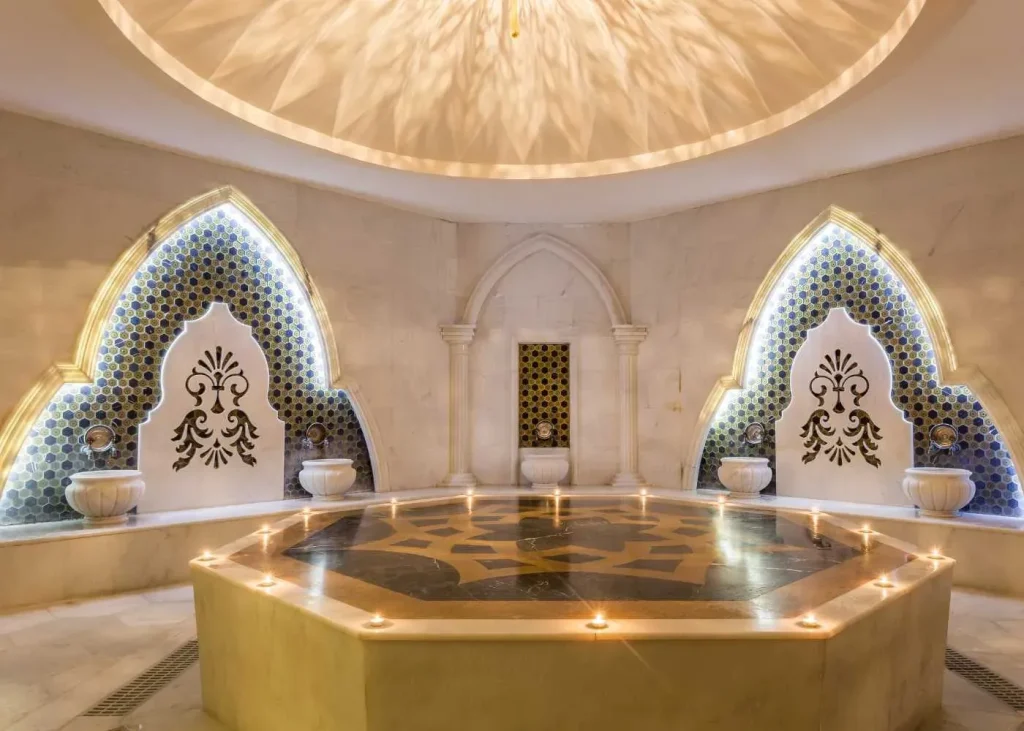
In the world of wellness, turkish hammam rituals are a cultural ceremony that blends cleansing, exfoliation, and massage into a single, immersive experience. Rooted in centuries of Ottoman and traditional Middle Eastern bath culture, these rituals purify the body, relax the mind, and renew the skin. When you hear about the hammam gommage process, the soap lather, and the soothing massage in this context, you are encountering the core elements that define an authentic Turkish hammam experience. This introductory guide will outline what makes Turkish bath rituals special, how each step works, and how to enjoy them safely for visible skin benefits. From steamy heat to careful exfoliation and ceremonial touch, the rhythm of the ritual invites cleansing, relaxation, and renewed vitality.
To frame this practice through another lens, consider it an Ottoman-era steam bath tradition that blends social ritual with skincare. Scholars and spa professionals describe it as a structured sequence of warming, cleansing, hammam exfoliation techniques, and massage—the harmonious balance of heat, lather, and touch. In modern settings, guests may encounter terms like steam bath ceremonies, traditional Turkish baths, or spa ritual steps that echo the same goals: purifying the skin, easing tension, and fostering a sense of communal calm. Exploring these alternative terms helps readers connect the experience to broader cultural contexts while preserving the core benefits that keep people returning.
Turkish hammam rituals: core elements and the foundation of gommage and soap massage
Turkish hammam rituals are more than a spa treatment; they are a cultural ceremony that blends cleansing, exfoliation, and massage into a single, immersive experience. Rooted in centuries of Ottoman and traditional Middle Eastern bath culture, these rituals are designed to purify the body, relax the mind, and renew the skin. When you hear about gommage, soap, and massage in this context, you’re hearing the core elements that define an authentic Turkish hammam experience. This guide will walk you through what makes Turkish hammam rituals unique, how each step works, and how to enjoy or recreate the practice with safety, respect, and visible skin benefits.
What makes Turkish hammam rituals special is not just the tools or products, but the sequence and atmosphere. Warm steam softens the skin, the exfoliating glove (kese) and exfoliation techniques reveal a brighter, smoother surface, and a skilled masseur or therapist brings relief through massage. The process often unfolds in stages that emphasize cleansing, relaxation, and renewal—an experience that many travelers remember long after leaving the marble rooms. In this article, we’ll explore the components of the hammam ritual, including hammam gommage process, the soap lather, and the soothing massage, and we’ll look at how these elements come together to deliver both physical and mental benefits.
A step-by-step tour of Turkish bath ritual steps
The Turkish bath ritual steps are a well-choreographed sequence designed to maximize cleansing, relaxation, and skin health. A typical flow includes warming and steaming, washing, gommage, rinsing, soap massage, final rinse with essential oils, and rest. Each phase has a purpose, and together they form the complete Turkish bath ritual steps that many people find restorative and culturally enriching.
1) Warming and steaming: The session begins with gentle warming and a steamy environment to hydrate the skin and open pores. 2) Washing: A full-body wash using warm water and mild soap loosens surface dirt and primes the skin for exfoliation. 3) Gommage: The exfoliation phase using a kese is performed with smooth, long strokes and careful pressure. 4) Rinsing: After exfoliation, the body is rinsed to wash away dead skin cells and loosened impurities. 5) Soap massage: The next phase involves a generous lather and therapeutic massage designed to relax muscles, stimulate circulation, and nourish the skin. 6) Final rinse and essential oils: A final rinse followed by a light oiling or moisturizing application seals in moisture and leaves skin supple. 7) Rest and hydration: Many hammams offer a quiet space to rest or sip herbal tea, reinforcing the ritual’s calming benefits.
Hammam exfoliation techniques and the benefits of hammam soap massage
Hammam exfoliation techniques, including the traditional kese and various massage strokes, are part of a long lineage of skin care practices. Hammam exfoliation techniques emphasize not just removing dead skin but also improving skin texture and promoting a healthier glow. When performed with care, the process helps refine rough patches and can improve the overall tone and clarity of the skin. For those curious about the science behind these effects, increased blood flow and stimulated collagen production during massage contribute to a vibrant complexion over time.
Hammam gommage process is often paired with a soap massage to maximize cleansing and moisture. Rich, olive-oil-based soaps are commonly used to generate a luxurious lather that coats the body and aids in cleansing. The soap massage not only cleanses but also nourishes the skin with natural oils, leaving a soft, hydrated feel after the exfoliation. The relationship between gommage and soap massage is complementary: the exfoliation loosens dead skin, and the soap helps to dissolve and lift impurities while adding moisture. This combination is frequently cited as hamam soap massage benefits by visitors who notice a refreshed complexion and a calmer, more balanced body sensation after the session.
Turkish bath history and rituals: culture, community, and continuity
Turkish bath history and rituals are deeply embedded in social and cultural practices. Historically, hammams served as social hubs where people gathered to cleanse, relax, and connect. The ritual’s emphasis on community and hospitality remains integral in many hammams today; clients often share in the experience, sipping tea and exchanging stories as steam envelops the room. This cultural context enhances the experience beyond the physical benefits, giving participants a sense of belonging and continuity with generations of bathgoers.
If you’re curious about the broader scope, learning about Turkish bath history and rituals can deepen your appreciation. From the classical Ottoman period to modern spa culture, the rituals have retained essential components while adapting to contemporary preferences. The balance between tradition and modern comfort is part of what makes these rituals timeless and appealing to people around the world.
DIY at home and travel tips to recreate Turkish hammam rituals safely
For those who can’t access a traditional hammam, you can still enjoy the benefits of Turkish hammam rituals at home. Use a breathable robe, warm towels, and a spacious shower area to recreate the spacious, comfortable feel. A high-quality olive oil-based soap can substitute for traditional products, paired with a soft exfoliating glove. Focus on slow, deliberate strokes during exfoliation and never rush the process. Finish with a rich moisturizer or natural oil like almond or argan oil to seal in moisture. Remember that consistency matters: a regular routine is more impactful than a single intense session.
When traveling, seek a reputable hammam that emphasizes proper technique and skin safety. Communicate your skin type and sensitivities, pace the session, and hydrate before and after. For home enthusiasts, you can extend Turkish bath ritual steps by creating a calming pre-steam routine, using authentic products if possible, and adding a post-session tea or rest period to mimic the social and restorative aspects of a real hammam.
Frequently Asked Questions
What is the hammam gommage process and how does it fit into Turkish hammam rituals?
The hammam gommage process is the exfoliation phase performed with a kese (exfoliating glove). Therapists use long, controlled strokes to lift dead skin cells, boost circulation, and encourage lymphatic drainage, preparing the skin for cleansing. In Turkish hammam rituals, gommage typically follows warming steam and washing and precedes the soap massage, contributing to a brighter, smoother complexion. This process emphasizes cleansing and purification as much as skin refinement.
What are the Turkish bath ritual steps from warming to final rinse, and how do they benefit the skin?
Turkish bath ritual steps typically unfold in a warm, humid sequence: warming/steaming, washing, gommage, rinsing, soap massage, final rinse with essential oils, and a period of rest. Each phase targets cleansing, relaxation, and skin health, with the heat opening pores and preparing the body for deeper cleansing. The rhythm and atmosphere of these steps are central to the authentic hammam experience.
How does Turkish soap massage benefit the skin and relaxation within Turkish hammam rituals?
Turkish soap massage benefits include cleansing with olive-oil-based soap, nourishing the skin with natural oils, and soothing tired muscles through a focused massage. The soap lather helps lift impurities after exfoliation, leaving skin hydrated and softer. When paired with gommage, the soap massage enhances relaxation and a renewed, balanced body sensation—key outcomes many visitors seek from Turkish hammam rituals.
What are hammam exfoliation techniques used in traditional rituals, and how do they affect skin texture?
Hammam exfoliation techniques center on the kese and purposeful strokes, applying gentle pressure to remove dead skin and refine texture. The goal is smoother skin, improved circulation, and a brighter complexion, not rough scrubbing. Practicing with care reduces irritation, and gradual pressure helps you acclimate to the heat and rhythm of Turkish hammam rituals.
What is the Turkish bath history and rituals, and how do they influence today’s spa experiences?
Turkish bath history and rituals trace back to Ottoman and traditional Middle Eastern bath culture, emphasizing community, hospitality, and cleansing in a steam-rich environment. Modern hammams preserve this heritage while adapting to today’s comfort expectations, linking social connection with personal care. Understanding this history enhances appreciation for today’s spa experiences and the rituals that accompany cleansing, relaxation, and skin renewal.
| Aspect | Key Points |
|---|---|
| Definition and Purpose | Turkish hammam rituals are a cultural ceremony blending cleansing, exfoliation, and massage into an immersive bath experience, rooted in Ottoman and Middle Eastern bath traditions, designed to purify the body, relax the mind, and renew the skin. |
| Core Elements | Gommage (exfoliation) with kese, alongside olive-oil-based soap lather and a cleansing massage form the core experience. |
| Environment and Atmosphere | Warm, humid rooms with steam; a sequence of spaces that rise in temperature to prepare skin and pores for cleansing. |
| Typical Session Flow / Steps | Warming/steaming, washing, gommage, rinsing, soap massage, final rinse and oils, rest and hydration. |
| Gommage (Exfoliation) | Exfoliation with a kese using long, deliberate strokes to remove dead skin, improve circulation, and stimulate lymph drainage; intensity may be higher for first-timers and adjusts with heat and motion. |
| Soap Massage | Rich olive-oil-based soaps generate luxurious lather that cleanses and nourishes, complementing exfoliation by dissolving impurities and adding moisture. |
| Benefits | Physical: smoother skin and improved texture; Mental: relaxation and calm, with a sense of well-being and cultural connection. |
| Experience Options | Travelers may seek guided sessions in reputable hammams; home enthusiasts can emulate steps with warm steam, mild soap, careful exfoliation, and hydrating moisturizers. |
| Cultural Context | Hammams historically served as social hubs; hospitality and community remain integral, enriching the ritual with shared tea, conversation, and tradition. |
| Tips for Positive Experience | Communicate skin concerns, hydrate before/after, start mild, choose appropriate exfoliation for sensitive skin, view the ritual as self-care rather than a workout. |
| DIY at Home | At-home counterparts use warm steam, mild soap, gentle exfoliation with a glove, finish with moisturizer; consistency matters for lasting benefits. |
Summary
Turkish hammam rituals—encompassing hammam gommage process, soap massage, and the disciplined sequence of Turkish bath ritual steps—offer a unique approach to cleansing, skin refinement, and relaxation. The benefits extend beyond the skin, touching mental calm, social connection, and a sense of cultural continuity. Whether you visit a traditional hammam in a historic city or recreate elements at home, the essential idea remains the same: to cleanse, exfoliate, and refresh the body and spirit in a ritual that honors centuries of practice. By embracing the balance of heat, steam, exfoliation, and massage, you can experience the enduring appeal of Turkish bath rituals and enjoy the accompanying glow, comfort, and well-being that follow.

