
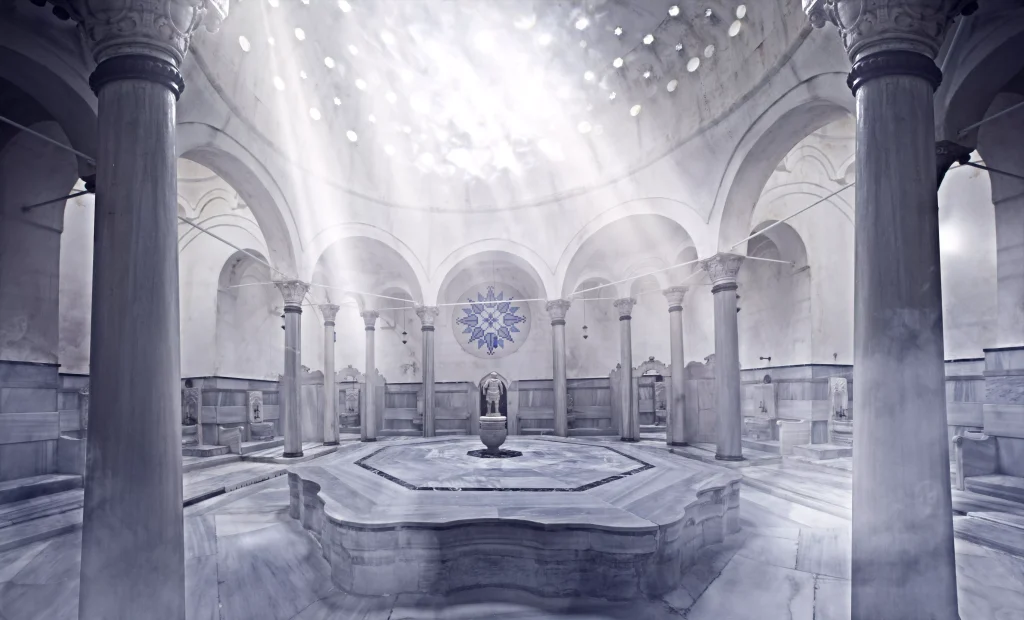
Turkish hammam vs Turkish bath are terms that spark curiosity for travelers exploring spa traditions across the region, inviting you to compare architecture, rituals, and guest experiences that can vary from marble-clad public rooms with domed ceilings and soft echoes of water to intimate hotel suites that blend ancient ambience with contemporary comfort for different budgets and preferences. In many guides, the differences between hammam and Turkish bath reveal subtle distinctions in branding, historical context, and service models that shape what you actually encounter in a heat-warmed chamber, including whether attendants perform scrubs, whether private or shared spaces are emphasized, and how the ritual is framed for different audiences. If you’re wondering what is a hammam, you’ll discover a traditional bathhouse anchored in heat, steam, and ritual, typically organized as a progression from warm acclimation to a hotter steam room, followed by cleansing, exfoliation with a kese, and a final rinse that may be offered with massage options globally. The Turkish bath tradition has left its mark on spa architecture and public life alike, from opulent marble hammams in historic cities to modern hotel facilities that imitate the ritual while offering contemporary comfort daily, privacy, and curated experiences designed to evoke a sense of timeless hospitality. Learning hammam etiquette and appreciating hammam culture can help you navigate venues respectfully, choose authentic experiences, and take away a sense of connection to a centuries-old wellness practice, while also enjoying the modern amenities that ensure safety, hygiene, relaxation, and inclusive options for diverse guests.
To frame the topic using LSI principles, consider terms like steam bath, bathhouse ritual, and Ottoman-era spa ceremony that align with the core experiences. These alternative expressions help search engines associate related concepts such as Turkish bath tradition, hammam etiquette, and the social role of a bathhouse in culture. Ultimately, whether you encounter the experience as a traditional hammam, a hotel Turkish bath, or a modern spa package, the essential practices—heat, exfoliation, and cleansing—echo across cultures.
Frequently Asked Questions
What are the differences between hammam and Turkish bath?
Turkish hammam and Turkish bath share the same core ritual of heat, steam, exfoliation, and cleansing, but the differences are mostly linguistic and contextual. Hammam refers to the traditional public bathhouse with a historic ritual and often attendant-led scrubs, while Turkish bath is a broader, often Western-influenced term for a spa-style version. In practice, both typically involve a sequence of warm and hot rooms, a kese scrub, and a soap or foam wash, with variations by venue and region.
What is a hammam?
A hammam is a traditional bathhouse rooted in Arabic and Ottoman heritage, designed around heat, humidity, and a multi-room sequence. The ritual usually starts with acclimation in a warm room, moves to a hotter steam room, then includes exfoliation with a kese, rinsing, and often a massage. In many traditional hammams, attendants perform the scrub and wash, though some modern venues offer self-serve options. Remember to follow the venue’s dress code and etiquette guidelines to respect privacy and comfort.
What is the Turkish bath tradition, and how does it relate to hammam?
The Turkish bath tradition spans the Ottoman era and beyond, influencing spa architecture, cleansing rituals, and social customs. It often mirrors the hammam experience but with regional and historical flourishes that you might encounter in Turkey or in international hotels. A typical Turkish bath tradition includes a sequence of rooms, a kese scrub, and a foam wash, with the option of massage. Modern adaptations emphasize comfort and privacy while preserving the essential elements of heat, steam, and cleansing.
What is hammam etiquette, and how should I behave during a visit?
Hammam etiquette within the Turkish bath context emphasizes modesty, privacy, and thoughtful behavior. Dress codes vary: traditional hammams may require minimal coverings or nudity in gender-segregated spaces, while modern spas usually allow swimsuits or towels—always check the venue. Arrive clean, pace yourself in the heat, and communicate sensitivities to the attendant, especially during exfoliation. Tipping is common in traditional settings and can vary by country.
How does hammam culture influence a Turkish bath experience today?
Hammam culture deeply informs how a Turkish bath is experienced, blending hospitality, ritualism, and social space. In traditional settings, clear etiquette, modest dress, and sometimes gender-segregated areas reflect long-standing norms; in modern venues, these elements are adapted into spa-style packages with professional attendants. In both, the sense of renewal—physical cleansing and mental relaxation—remains central.
| Aspect | Key Points |
|---|---|
| Relationship and definitions | Turkish hammam and Turkish bath are closely related experiences rooted in ancient cleansing traditions; terminology varies by region and modern spa practices. |
| Terminology and differences | Differences revolve around language, heritage, branding; core elements—steam, heat, exfoliation, cleansing—are shared; some venues emphasize historical flavor while others market modern spa experiences. |
| Core elements | Shared fundamentals: steam, heat, exfoliation (kese), cleansing; typical spas may add soap massages, foam washes, or massages. |
| History and cultural context | Origins in the Ottoman era; bathhouses as social hubs; evolution into contemporary spa rituals; cultural significance remains centered on hospitality and cleansing. |
| Ritual sequence | Acclimation in a warm room, hotter steam room, exfoliation with kese, cleansing, rinsing, relaxation; attendants may perform scrubs or massages in traditional settings. |
| Etiquette and social norms | Dress modestly or follow venue guidelines; arrive clean; pacing with heat; privacy and space; tipping practices vary by country. |
| Modern adaptations vs traditional hammam | Traditional hammams emphasize ritual and public spaces; Turkish bath often refers to modern spa interpretations of the same concept. |
| Health benefits and precautions | Potential benefits include smoother skin, relaxation, improved circulation; stay hydrated; avoid heat if pregnant or with skin conditions; consult a professional if unsure. |
| Choosing a venue and tips | Look for clear ritual offerings, verify room sequence, understand etiquette, decide between private vs public settings, arrive early, stay hydrated. |
Summary
Turkish hammam vs Turkish bath is a nuanced topic that reveals a spectrum of related experiences rather than a strict binary. Both traditions trace back to ancient cleansing rituals and share core elements like heat, steam, exfoliation, and cleansing, but they are often framed differently depending on context, region, and branding. Traditional hammams emphasize ritual progression, social spaces, and attendant-guided scrubs, while modern Turkish bath concepts frequently appear as hotel or spa packages with a more private, polished presentation. In practice, the experiences converge in their fundamental goals: cleansing the body, soothing the skin, and offering a space for relaxation and mental reset. When choosing between them, consider your comfort with space, privacy, and the level of ritual you desire, and seek venues that honor authentic elements—kese exfoliation, foam washes, and a thoughtful room sequence—while aligning with your personal preferences. Ultimately, Turkish hammam vs Turkish bath reflects a spectrum of traditions that celebrate hospitality, cleansing, and renewal across cultures and modern wellness contexts.

